There is very little doubt that the automotive landscape is undergoing a profound transformation, with electric vehicles (EVs) finally emerging as the soon to be dominant player in the pursuit of clean and sustainable transportation
As consumers contemplate their next vehicle purchase, the decision to buy an electric vehicle takes centre stage. Let’s have a look at some of the considerations, advantages, and potential challenges associated with owning an electric vehicle.
Advantages of Buying an Electric Vehicle:
Care for the environment:
One of the primary motivations for choosing an electric vehicle is its positive impact on the environment. EVs produce zero exhaust emissions, contributing to cleaner air and reduced greenhouse gas emissions.
Lower Operating Costs:
Electric vehicles generally have lower operating costs compared to traditional internal combustion engine vehicles. Electricity is cheaper than petrol or diesel, and EVs have fewer moving parts, resulting in reduced maintenance expenses.
Government Incentives:
Many governments around the world offer incentives to encourage the adoption of electric vehicles. These incentives can include tax incentives, subsidies, and reduced registration fees, making EVs more financially attractive.
Home Charging Convenience:
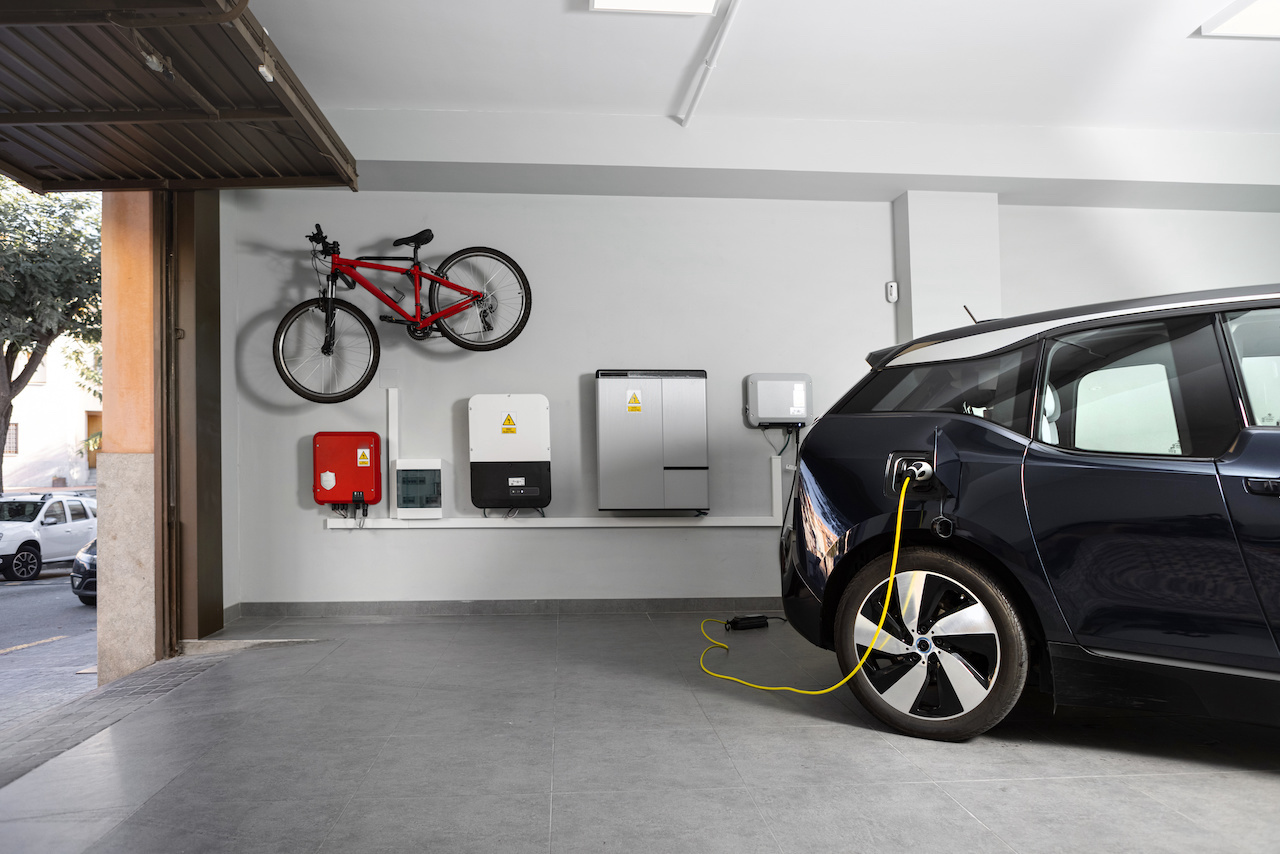
Owning an electric vehicle provides the convenience of home charging.
With a home charging point, EV owners can start each day with a fully charged battery, eliminating the need for frequent trips to the petrol station.
Performance and Efficiency:
Electric vehicles are known for their instant torque and smooth acceleration. Additionally, EVs are highly energy-efficient, converting a significant portion of the energy from the power grid to the wheels.
Considerations Before Buying an EV:
Range Anxiety:
Some potential buyers will undoubtedly have concerns about the limited range of electric vehicles. However, advancements in battery technology have significantly improved this and with the advent of solid state batteries not far away, many EVs will soon offer competitive mileage on a single charge.
Charging Infrastructure:
The availability of charging infrastructure is a crucial factor. While charging stations are becoming more widespread, buyers need to consider the charging options in their area and along their regular routes.
Upfront Cost and legacy worries:
The initial purchase price of electric vehicles can be higher than that of traditional vehicles, and whilst is true that government incentives and long-term savings on operating costs can help offset the upfront investment, there is still a question mark over the residual or trade-in value of an EV when the original owner wants to move it on.
Home Charging Access:
For individuals who don't have access to home charging, owning an electric vehicle might be less convenient. Access to charging infrastructure, both at home and in public places, is essential for a positive EV ownership experience.
So should you jump now or wait a while?
The decision to buy an electric vehicle is a personal one that involves weighing environmental considerations, financial factors, and lifestyle preferences.
As technology advances and the electric vehicle market expands, more options will become available, catering to ever more diverse consumer needs.
The environmental benefits, lower operating costs, and government incentives may make electric vehicles an appealing choice for many. Whilst for others who regularly drive long distances, or those that simply can’t afford the current front-loaded cost of acquiring an EV, may choose to stick for now.
TYSONCOOPER are personal and fleet management specialists and can support you with your transition to electric vehicles.
If you want some help and advice, get in touch and we will go through the options as they relate to your personal circumstances.


.png)


.png)

(1).png)


.jpg)