In the rapidly evolving landscape of automotive technology, the rise of electric vehicles (EVs) has been nothing short of revolutionary.
With advancements in battery technology, infrastructure, and public awareness, EVs have transitioned from a niche novelty to a viable alternative to traditional combustion engine vehicles.
But even as we witness this shift, a pertinent question arises: Are we now at the point where we can solely focus on selling the benefits of the car, rather than the concept of driving and living with an EV first?
Let's delve into this question by examining the current state of EV adoption and the challenges that still need to be addressed before we can fully embrace EVs without reservations.
The Evolution of Electric Vehicles:
In recent years, EVs have seen a surge in popularity, fuelled by concerns over climate change, government incentives, and technological advancements. Companies like Tesla have led the charge, demonstrating that EVs can be stylish, high-performance vehicles with half decent driving ranges.
Moreover, the environmental benefits of EVs are undeniable. They produce zero tailpipe emissions, reducing air pollution and greenhouse gas emissions, which is crucial for combating climate change and improving air quality in urban areas.
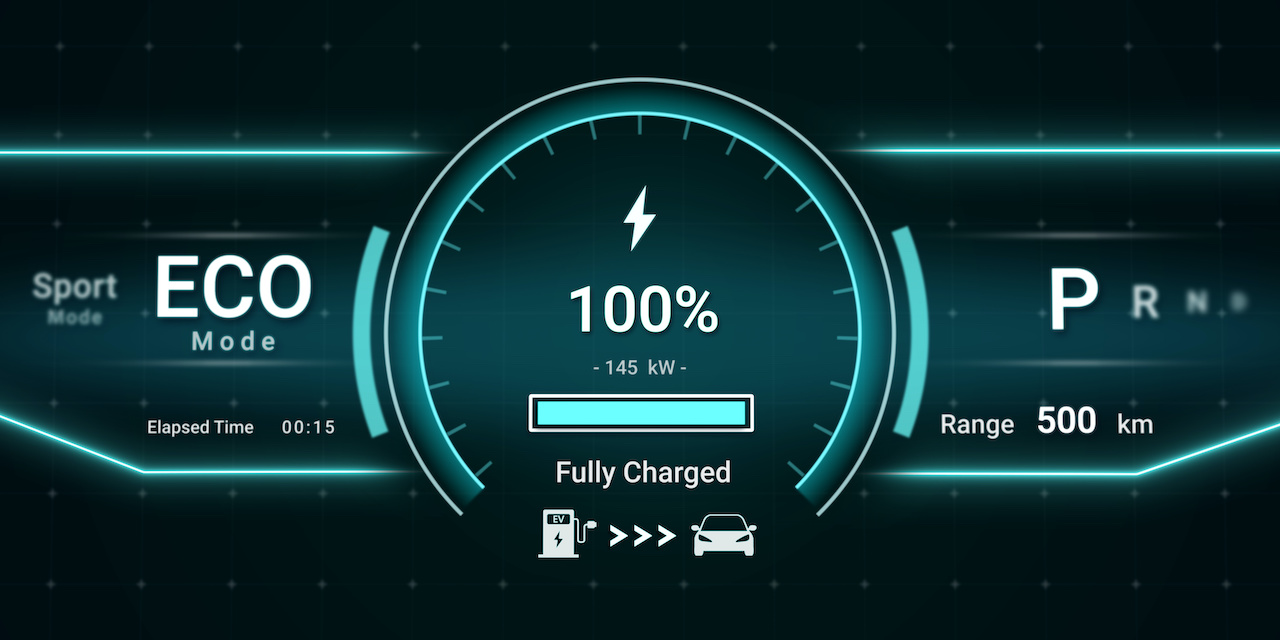
Selling the Benefits:
As EV technology has matured, so too have the benefits associated with owning and driving an electric vehicle. These benefits extend beyond environmental considerations and encompass various aspects of ownership and operation:
- Lower Operating Costs: EVs typically have lower operating costs than their gasoline counterparts. Electricity is cheaper than petrol, and EVs require less maintenance due to fewer moving parts.
- Performance: Electric motors deliver instant torque, providing smooth and exhilarating acceleration. Many EVs boast impressive performance metrics, rivalling or surpassing traditional sports cars.
- Convenience: Charging an EV at home is as simple as plugging it into a power outlet. With the expanding network of public charging stations, range anxiety is becoming less of a concern for drivers.
- Innovation: EVs are at the forefront of automotive innovation, featuring advanced technologies such as regenerative braking, over-the-air software updates, and autonomous driving capabilities.
The Importance of Education:
Despite these compelling benefits, there are still barriers to widespread EV adoption. One significant challenge is the need for education and awareness. Many consumers remain unfamiliar with EV technology and harbour misconceptions about some of its its limitations.
In reality, before we can solely focus on selling the benefits of EVs, we must first address these misconceptions and provide consumers with accurate information about the capabilities and advantages of electric vehicles.
Parity and the Road Ahead:
While EVs have made significant strides, achieving parity with traditional combustion engine vehicles still remains a goal for the future. Parity refers not only to price competitiveness but also to factors such as range, charging infrastructure, and overall driving experience.
In the UK, achieving parity will depend on several factors, including advancements in battery technology, government policies, and infrastructure investment. As battery costs continue to decline and charging infrastructure expands, EVs will become increasingly accessible to a broader range of consumers.
Conclusion:
In conclusion, the transition to electric vehicles represents a paradigm shift in the automotive industry, driven by environmental concerns, technological innovation, and changing consumer preferences. While the benefits of EVs are becoming more apparent, there is still work to be done in terms of education, infrastructure, and affordability.
As we continue on this journey towards electrification, it's essential to emphasize not only the benefits of EVs but also the practical aspects of driving and living with an electric vehicle. Only by addressing these challenges can we truly unlock the full potential of electric transportation and pave the way for a sustainable future.
TYSONCOOPER are personal and fleet management specialists and can support you with your transition to electric vehicles.
If you want some help and advice, get in touch and we will go through the options as they relate to your personal circumstances.


.png)
(1).png)



.jpg)


.png)