Fleets managers are starting to switch to Electric Vehicles but at a slow pace that is causing concern
According to Fleet News in April 2023 “almost 45% of fleet managers operating small and medium fleets are struggling to make the switch to electric vehicles” ( Source Fleet News)
Since business operating small and medium sized fleets account for most of the UK Fleets, this statistic is very representative of the scale of the overall challenge.
According to research by Alphabet, the biggest barrier is time and knowledge.
“Of those businesses that are yet to introduce EVs into their fleet, 28% said that while it is something they’re looking to do, they haven’t had the time.
While 17% revealed it is a lack of expertise that is holding them back” ( Fleet News)
Fleet management resources are limited
Business with smaller fleets typically do not have full time fleet management, This function is handled by other manager who also handle finance or HR .
This means that the level of time available for fleet management issue is limited.
With the acceleration toward electric gathering pace this is an issue that will require more time and effort.
Additional assistance is available from fleet providers, industry bodies and pubic bodies. You should seek out this help and bridge the skills gap that may exist.
The plan for adopting electric vehicles does not have to be sudden. It is best implemented in manageable steps over time.
You still have time but now is the time to plan and look for outside assistance where needed.
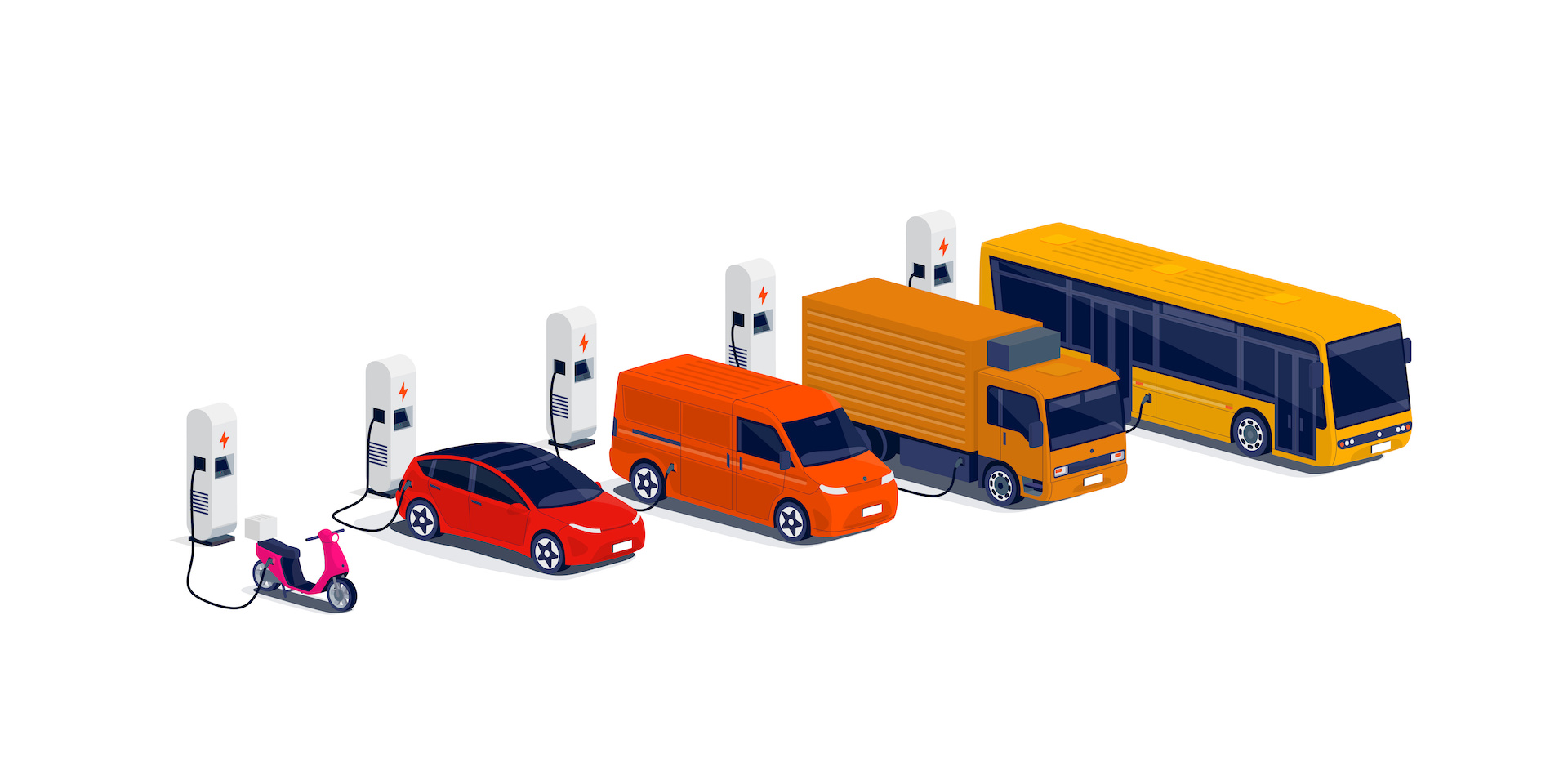
Will the EV charging infrastructure be ready for fleets
A lot of progress has been made in the charging infrastructure over the past year which is a promising sign.
According to Zapmap “At the end of July 2023, there were 45,737 electric vehicle charging points across the UK, across 26,805 charging locations.
This represents a 40% increase in the total number of charging devices since July 2022.” ( Source: Zapmap.)
This is a sign of good progress but let’s examine some of the detail and where the numbers need to reach before it will satisfy future demand including fleets.
Mix of public EV chargers between slow and ultra-rapid
What is the mix between slow and ultra-rapid public chargers is interesting to look at when considering if it will fulfil your requirements.
The mix at 31 July 2023 looks as follows
- ( 3 to 6KW). 11,726
- Fast (7 to 22KW) 25,239
- Rapid (25 to 99KW) 5,187
- Ultra Rapid (100kw+) 3,585
(Source: Zapmap)
To manage a fleet especially if it includes vans, you will probably need more of the Rapid and Ultra Rapid chargers but they only account for 19% of the capacity at present.
The Government has put a lot of effort into growing the charging networks.
There was a white paper in May 2020 and a strategy paper in March 2022 which made the promise that ““We will ensure that every motorway service area has at least six rapid chargers by the end of 2023, with some having more than 12.”
“Currently, there are only six services in England which have more than 12 such devices”.( Source RAC)
“With approaching 1m battery electric vehicles on the road and the Government having a goal of 80% of new cars sold by 2030 being zero-emission, it’s critical that the country’s charging network grows proportionately, particularly at the fastest end of the charging spectrum.”( Source RAC)
The intention from the Government is very clear and there is a clear target to be hit but it will require a huge shift in the effort going into the EV charging infrastructure and that has started to be coming through.
Fleet managers should be working on the switch to Electric now
The time to act is now so you can plan your switch over to electric vehicles in an orderly manner.
If you do not have the time or resources, then it is time to look for help from Fleet providers like TYSONCOOPER.
Get help with Fleet management
TYSONCOOPER are fleet management specialists and can support you with you transition to electric vehicles.
If you want some help and advice, get in touch and we will help with your transition.




.png)
.jpg)


.png)

(1).png)