Salary Sacrifice for an Electric Vehicles is attracting a lot of attention right now because of the unique combination of tax benefits while being eco-friendly at the same time
The number of these schemes is growing so let’s look more closely at the logic of using your salary sacrifice to acquire an electric car.
How does Electric Car salary sacrifice work
Salary sacrifice schemes work by taking an agree proportion of an employee’s salary before tax and using this to fund repayments on an electric car lease. We have written a detailed article on this subject recently which you can read by clicking the link below.
Can a salary sacrifice scheme help me buy a car
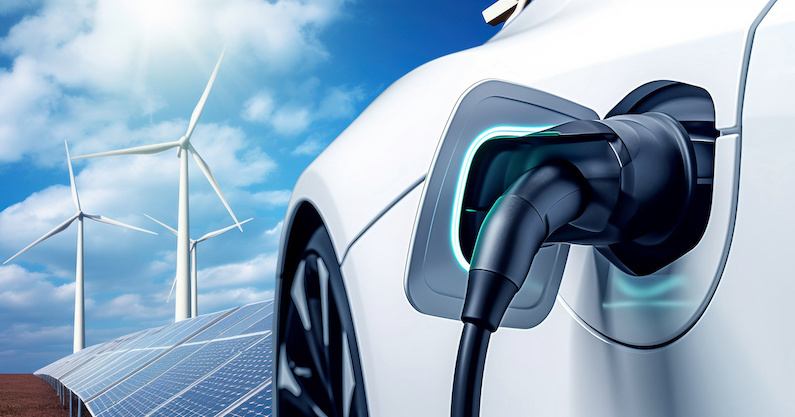
What are the real advantages of an EV
The Energy Saving Trust identified some of the major advantages of Electric Vehicle when it comes to the environment and your budget:
- “A full charge in a pure electric vehicle will give a typical range of around 220 miles and will cost approximately £23 if charging at home. Driving 220 miles in a petrol or diesel car will cost around £41 in fuel, which can be three or four times more than the cost of charging the electric car. The cost savings will be most significant when owners charge at home and have access to an off-peak overnight electricity tariff.
- There are fewer mechanical components in an electric vehicle compared with conventional vehicles, which often results in lower servicing and maintenance costs.
- Lower or zero vehicle excise duty (VED). However, from 2025 VED will also be charged on electric vehicles. The first-year rate will still be lower for electric vehicles – only £10 compared to £120-£945 for petrol or diesel vehicles – but after that all vehicles will be charged a standard rate of £165 per year.
- Zero emission vehicles – those emitting 0g/km CO2 – qualify for the cleaner vehicle discount available until December 2025. All other vehicles, regardless of their emissions status will be required to pay the congestion charge.” (Source: Energy Trust)
So, you get the advantage of saving money and helping to reduce carbon emissions at the same time.
When does switching to an EV make sense
Let’s look at the scale and speed of change first before answering this question.
According to ZapMap “As of the end of October 2023, there are now more than 920,000 fully electric cars on UK roads and a further 560,000 plug-in hybrids” ( Zap Map).This number makes up just under 16% of new car registration in October 2023 but this trend should continue to grow.
The recent Government announcement about the shift of the EV deadline from 2030 to 2035 has slowed the momentum a bit but this is only likely to have a short-term impact.
“80% of new cars and 70% of new vans sold in Great Britain set to be zero emission by 2030, increasing to 100% by 2035” ( Source: UK Gov)
The shift to EV is happening but your decision to change will come down to a range of factors which are changing all the time. Factors to consider include:
- Price of the EV v’s Internal Combustion engine cars or vans
- Range of the vehicle
- Facilities for EV charging
- Your budget
- Cost of petrol
- Availability of EV’s
These factors are constantly changing, and it is likely that the decision will get easier as the EV infrastructure improves.
I am sure that this list could be extended but it will come down to a balanced decision.
Do the reduction in emissions combined with cost savings make it a good decision today or should you wait?
Where do I start looking for salary sacrifice car schemes?
You need to find out if your employer has a scheme in place already. If they don’t you could suggest it to them. They will have to partner with a participating supplier first.
Here at TYSONCOOPER, we would be delighted to talk to you and your employer to take you through how to set a scheme up and how we can use our expertise and supplier base reach to provide you with the best possible deals and options.
Talk to us at: https://www.tysoncooper.com/contact

(1).png)

.png)


.jpg)
.png)