The shift towards electric vehicles (EVs) is accelerating, driven by environmental concerns, technological advancements, and supportive government policies.
With an increasing number of models on the market, finding the perfect EV for your needs can be a daunting task. Whether you're a first-time buyer or looking to upgrade, here’s a comprehensive guide to help you choose the best EV for you.
Understand Your Needs
Before diving into the specifics of different EV models, it's crucial to understand your driving habits and lifestyle needs.
Daily Commute:
How far do you drive each day? If your daily commute is short, a smaller EV with a limited range might suffice. For longer commutes, consider models with extended range capabilities.
Usage:
Will the EV be your primary vehicle, or will it complement another car? If it's your only car, versatility and range are more critical.
Passenger and Cargo Needs:
Consider the size of your family and the amount of cargo space you typically require. Compact EVs might be perfect for city driving, while larger families might need an SUV or a crossover.
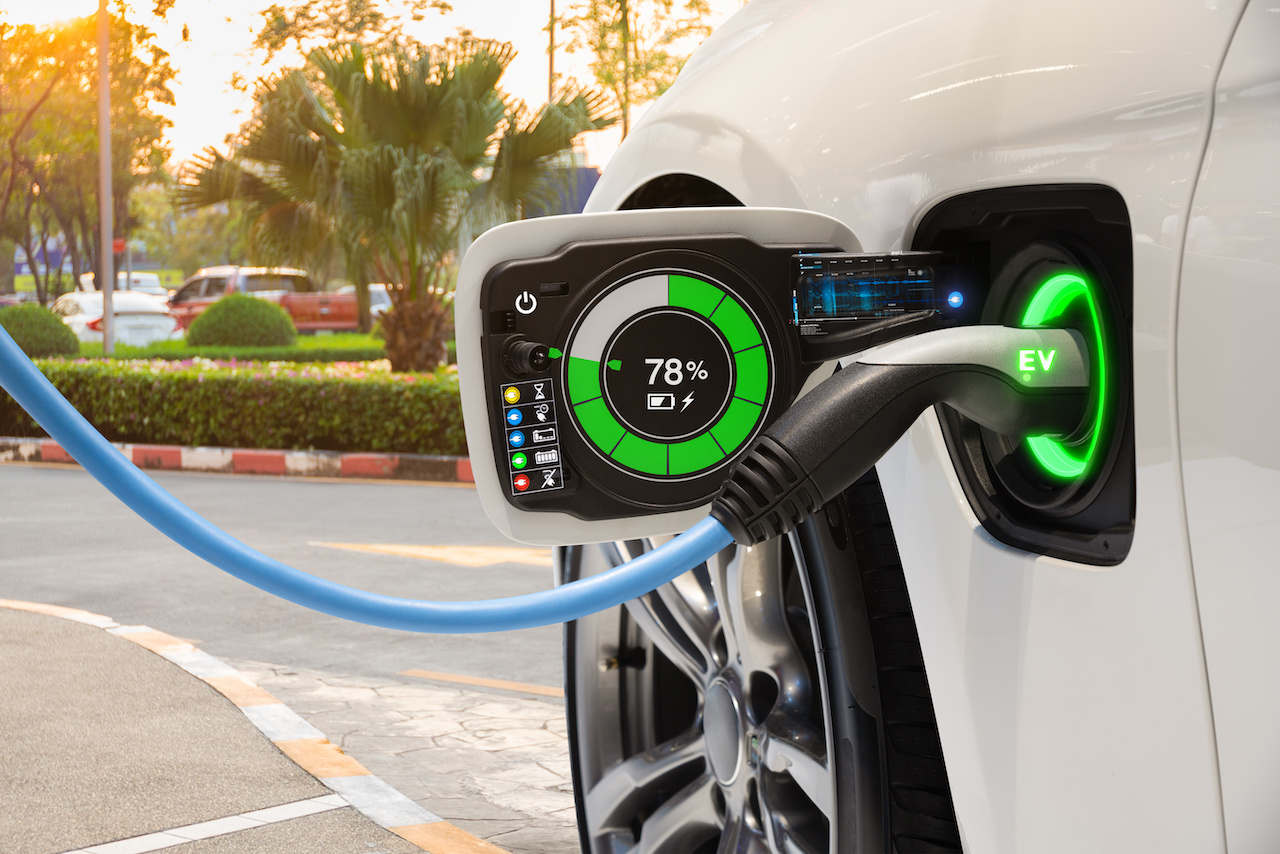
Range and Battery Life
The range of an EV—how far it can travel on a single charge—is a key factor. Consider the following:
Range Anxiety:
This term describes the fear of running out of battery power before reaching a charging station. To avoid this, choose an EV with a range that comfortably exceeds your typical daily mileage.
Battery Degradation:
Over time, the battery capacity of an EV can diminish. Research the battery warranty and expected lifespan. Some manufacturers offer warranties that cover battery degradation, ensuring a certain level of capacity over a specified period.
Charging Infrastructure
The convenience of charging your EV is essential. Evaluate the availability of charging options:
Home Charging:
Installing a home charging station is ideal if you have a garage or a dedicated parking space. This allows you to charge overnight, ensuring a full battery each morning.
Public Charging Stations:
Check the availability of public charging stations in your area and along your usual routes. Apps and maps can help you locate nearby chargers.
Fast Charging:
Some EVs support fast charging, which can significantly reduce charging time. This is useful for longer trips where quick top-ups are needed.
Total Cost of Ownership
While the upfront cost of an EV can be higher than a traditional vehicle, consider the total cost of ownership (TCO):
Purchase Price and Incentives:
Look at the initial purchase price and any government incentives or rebates that can reduce the cost.
Running Costs:
EVs typically have lower running costs due to cheaper electricity compared to fuel, and lower maintenance costs due to fewer moving parts.
Insurance:
Compare insurance costs for different EV models. Some insurers offer discounts for EVs due to their lower environmental impact.
Performance and Driving Experience
EVs offer unique driving experiences:
Acceleration:
EVs often provide instant torque, resulting in quick acceleration. Test drive different models to see which suits your driving style.
Handling:
The placement of the battery pack often results in a low centre of gravity, enhancing stability and handling. Evaluate how the car feels on the road.
Noise Levels:
EVs are quieter than internal combustion engine vehicles. Consider if this quietness enhances your driving experience or if you prefer more engine feedback.
Features and Technology
Modern EVs come packed with advanced features:
Infotainment and Connectivity:
Look for features like touchscreen interfaces, smartphone integration, and advanced navigation systems.
Driver Assistance:
Many EVs offer driver assistance features such as adaptive cruise control, lane-keeping assist, and automated emergency braking.
Comfort and Convenience:
Evaluate the interior quality, seating comfort, and convenience features like keyless entry and climate control.
Brand and Model Reputation
Research the reputation of the brand and specific models:
Reliability:
Check reviews and reliability ratings. Some manufacturers have a stronger track record in EV production.
Customer Service:
Consider the quality of customer service and the availability of service centres.
Resale Value:
Research the expected resale value of different models, as some EVs depreciate slower than others.
Summary
Choosing the best EV for you involves a careful consideration of your personal needs, driving habits, and preferences. By focusing on range, charging infrastructure, total cost of ownership, performance, features, and brand reputation, you can find an EV that not only meets your requirements but also enhances your driving experience.
The transition to electric vehicles is a significant step towards sustainable living, and selecting the right EV ensures you reap the full benefits of this exciting technological evolution.
TYSONCOOPER are personal and fleet management specialists and can support you with your transition to electric vehicles.
If you want some help and advice, get in touch and we will go through the options as they relate to your personal circumstances.
.png)




.jpg)
.png)

(1).png)